
ROSES
After creating our first advertisement for HONG, which focused primarily on aesthetics and had no particular symbolic narrative beyond the idea of life beyond constraints, we wanted to explore a new direction: telling a story while leaving room for interpretation.
For ROSES, we chose to draw inspiration from a philosophical and psychological concept: individuation, theorised by Swiss psychiatrist Carl Gustav Jung, and more specifically the integration of opposites.
The idea was to translate this reflection into an accessible visual language, without attempting to illustrate a theory literally. We wanted to create a film that could be appreciated for its imagery and atmosphere, while offering a deeper reading to those who wished to look further.
Two Expressions of Femininity
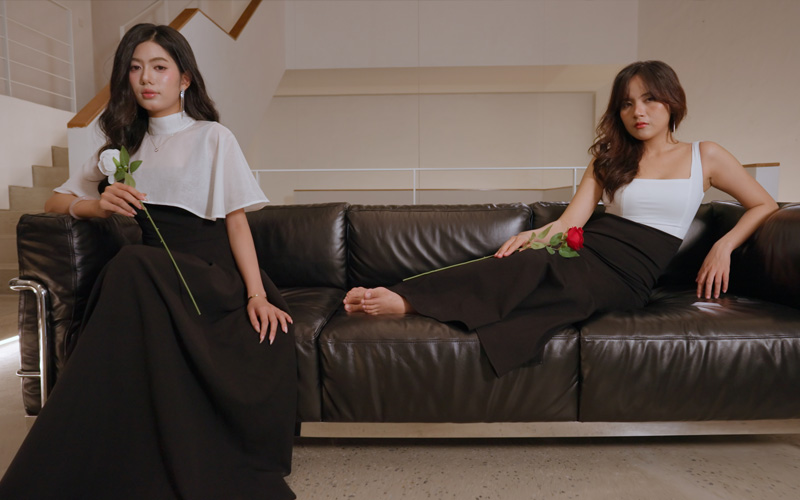
At the heart of ROSES, two women embody two distinct expressions of femininity.
- The first is associated with the red rose: an instinctive, magnetic and sensual presence. She evokes passion, desire and a sense of spontaneous freedom.
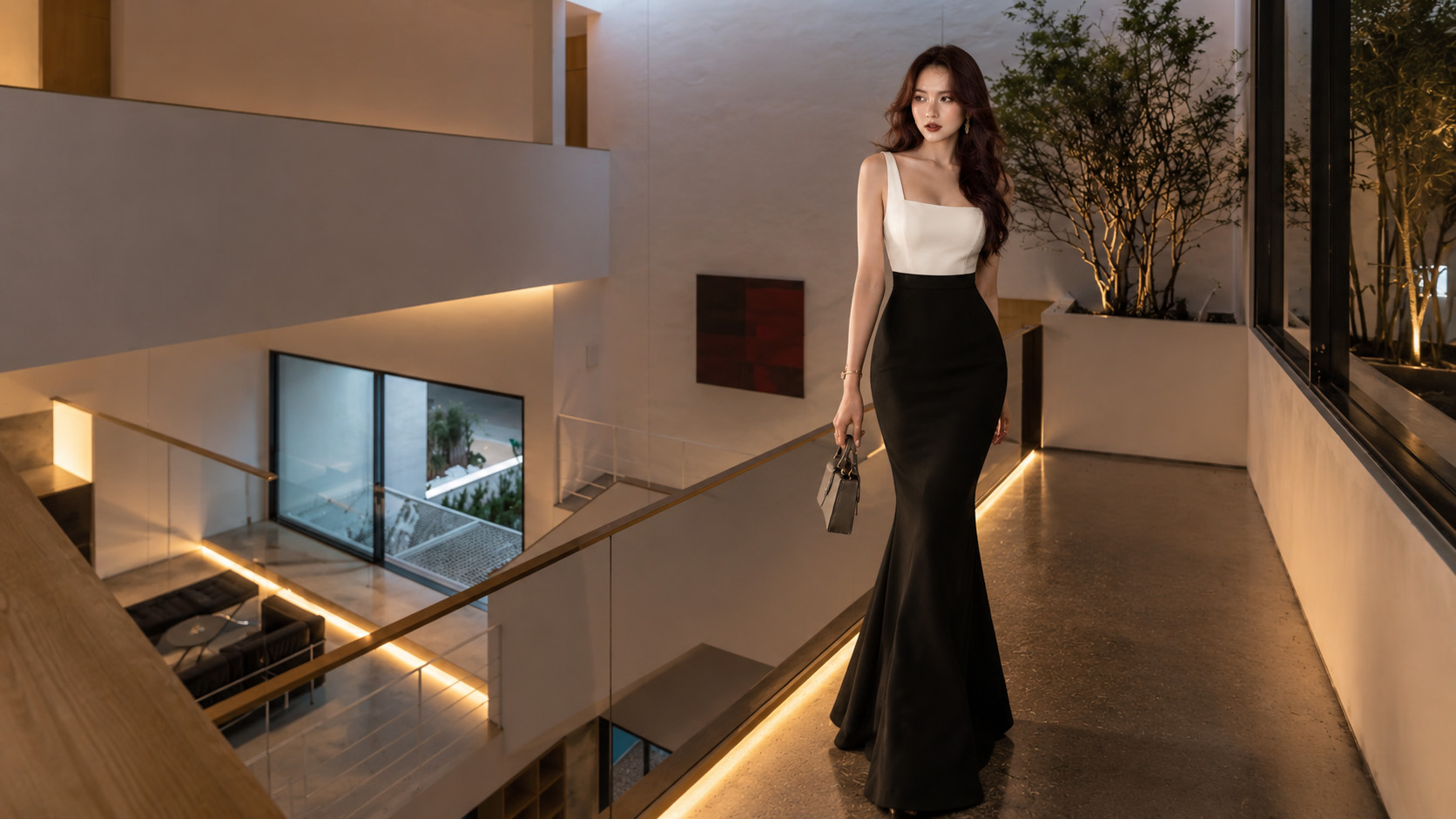
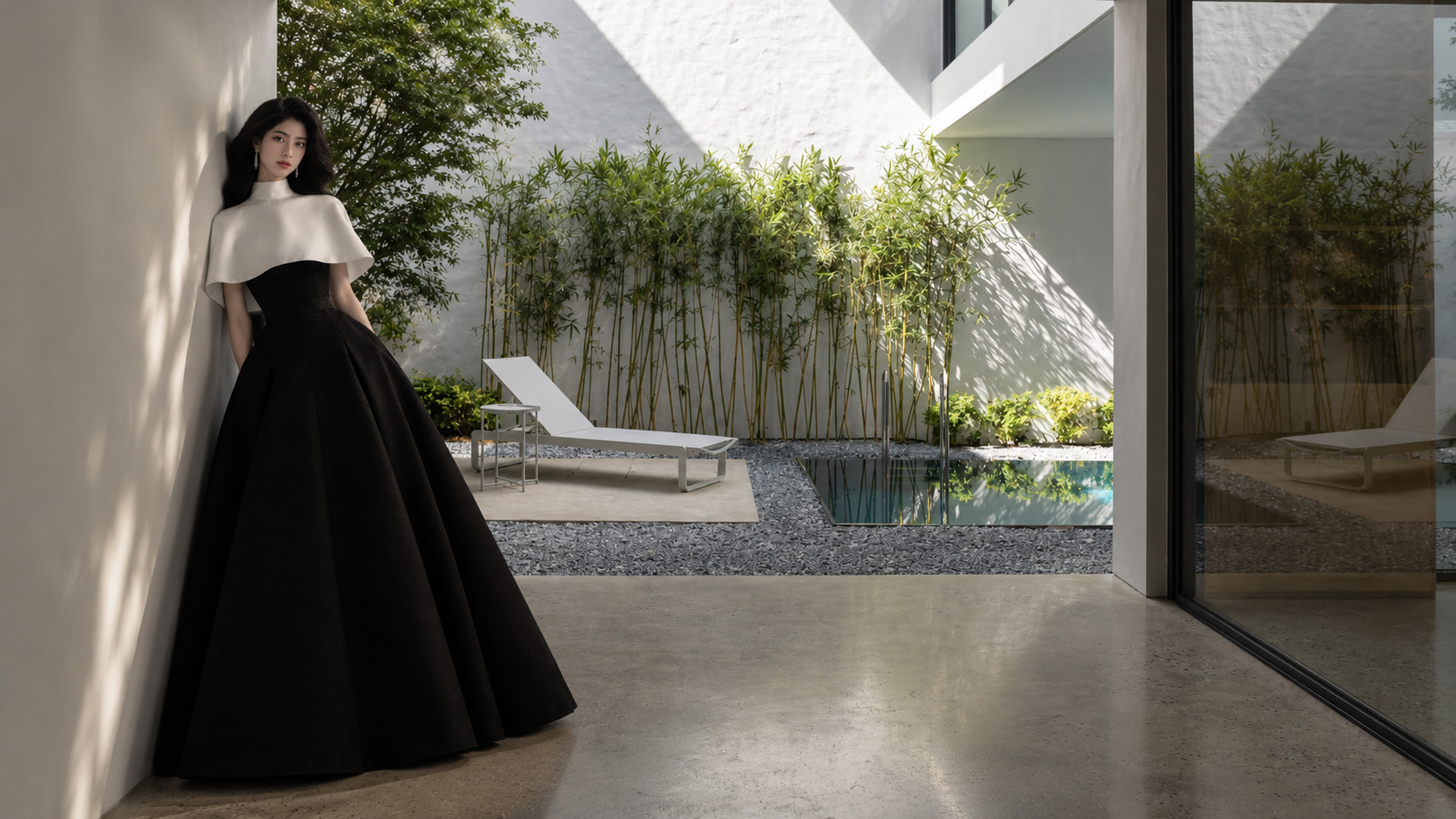
- The second is associated with the white rose: a composed, sovereign and enigmatic presence. She evokes elegance, self-possession and a quiet sense of authority.
The intention was not to set two personalities against each other, nor to present two models of femininity as contradictory. Even less was it about establishing a hierarchy between them.
Rather, we wanted to question the categories through which we tend to perceive women. Is sensuality necessarily opposed to elegance? Is desire incompatible with dignity? Should a woman have to choose between being free, desirable and sovereign?
These two figures represent less fixed identities than forces that can coexist within the same individual.
We see this desire as one of the most powerful psychological drivers behind luxury advertising and aspirational brands, often concealed beneath seductive images and narratives. Our aim was therefore to understand its mechanisms and translate them onto the screen indirectly, without ever making the message explicit.
Integration Rather Than Opposition
In Carl Jung's analytical psychology, the process of individuation describes a journey towards a more complete personality, involving, among other things, the recognition and integration of the different dimensions of the self.
The integration of opposites does not mean eliminating differences or choosing sides. On the contrary, it involves recognising forces that may appear contradictory and allowing them to coexist.
This was the idea that guided the development of ROSES.
The two women are not meant to transform into one another. Nor do they need to give up their individuality in order to grow closer.
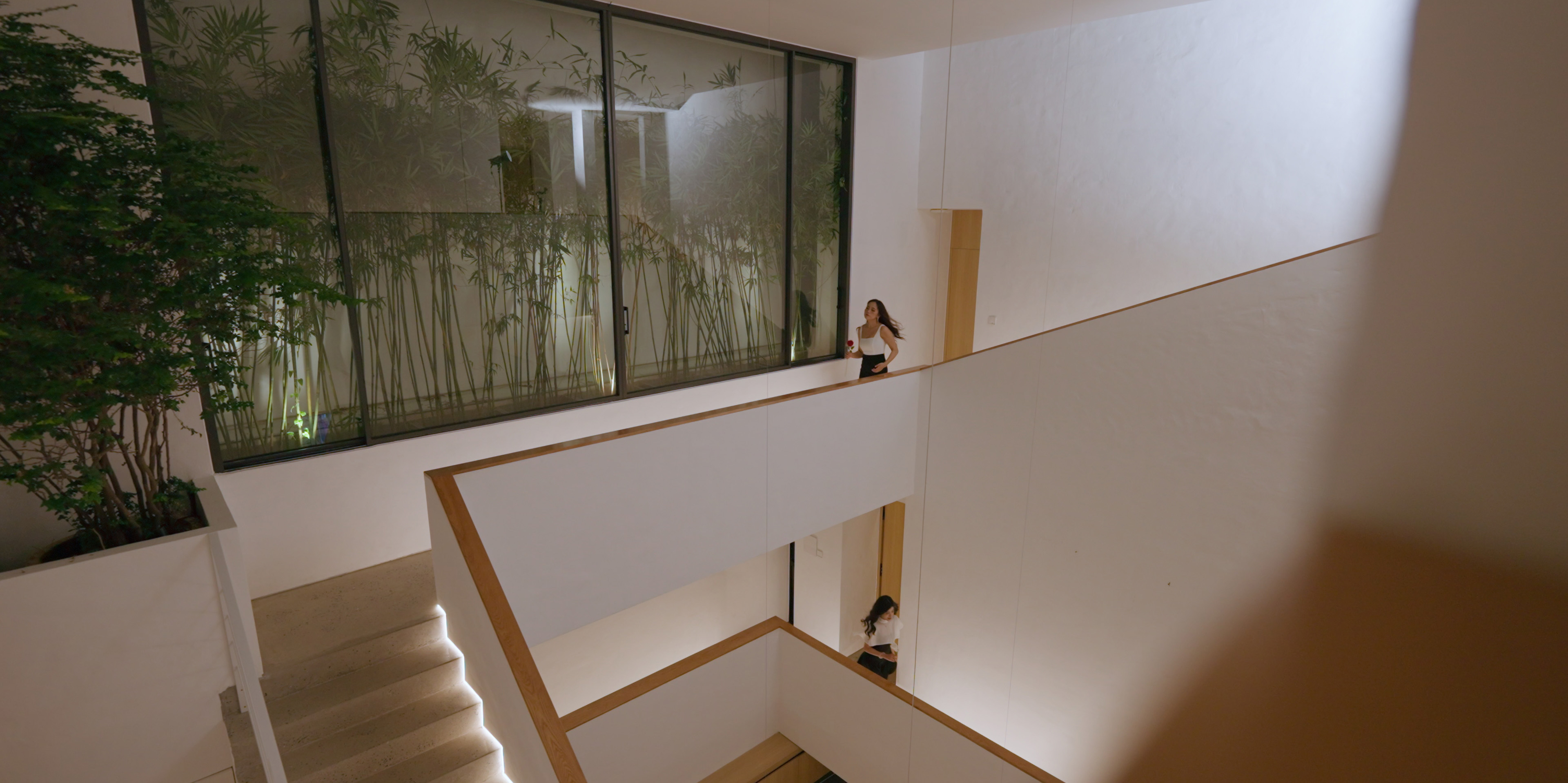
At one point in the film, they express the same impulse towards freedom through different movements. One dances instinctively, while the other turns with greater restraint and grace.
Their gestures are not identical, yet they seem to respond to the same energy.
This scene captures one of the project's central ideas: sharing the same freedom does not necessarily mean being alike.
The Roses as a Visual Language
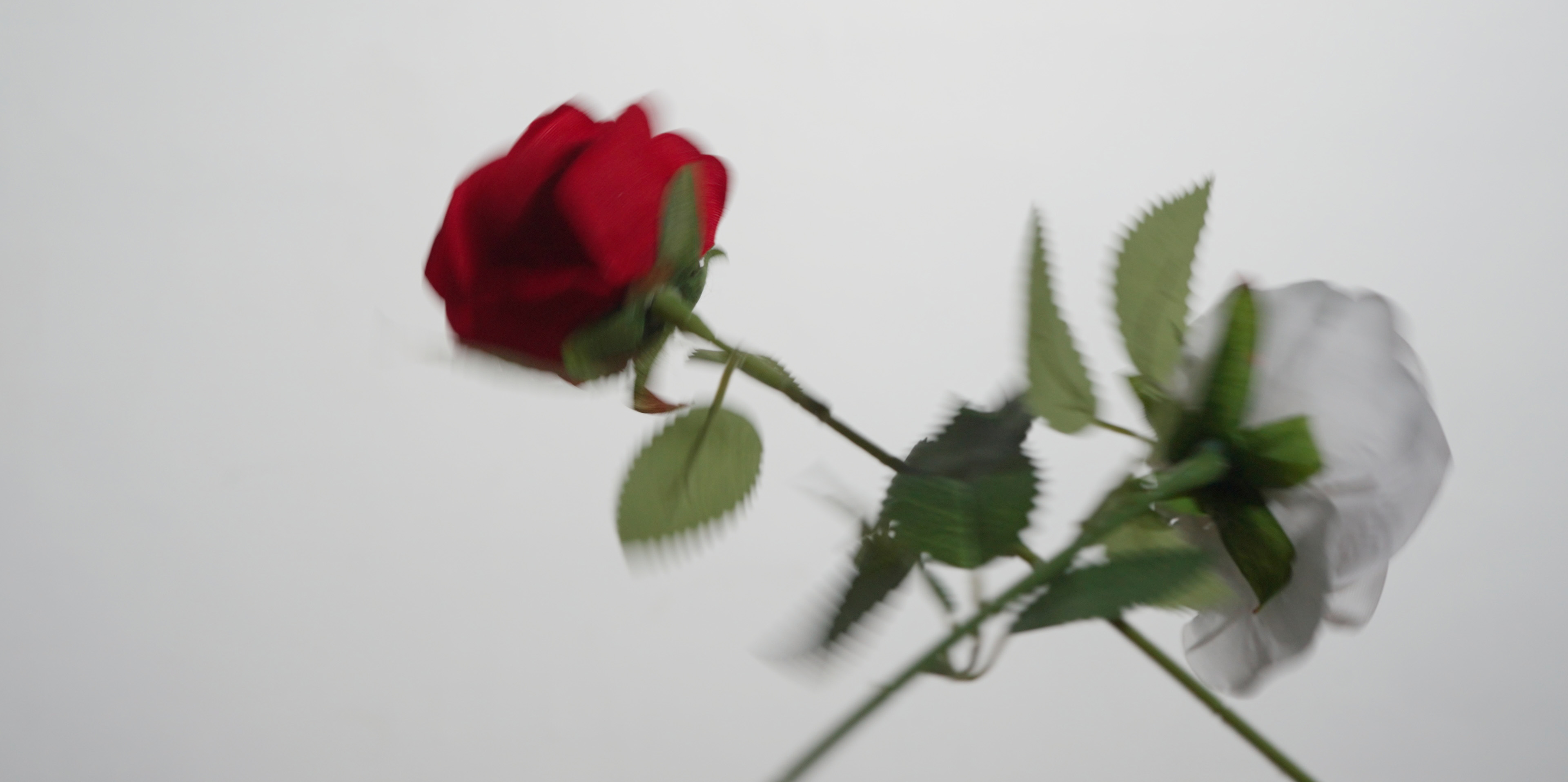
We chose the rose as the central element of our symbolic vocabulary.
The red and white roses immediately establish a visual distinction between the two figures. However, we did not want to limit ourselves to a simple opposition of colours.
As the film unfolds, the flowers evolve alongside the relationship between the characters.
At first, the red and white roses remain separate. Their encounter then gives rise to two pink roses, as though their coming together had produced something new.
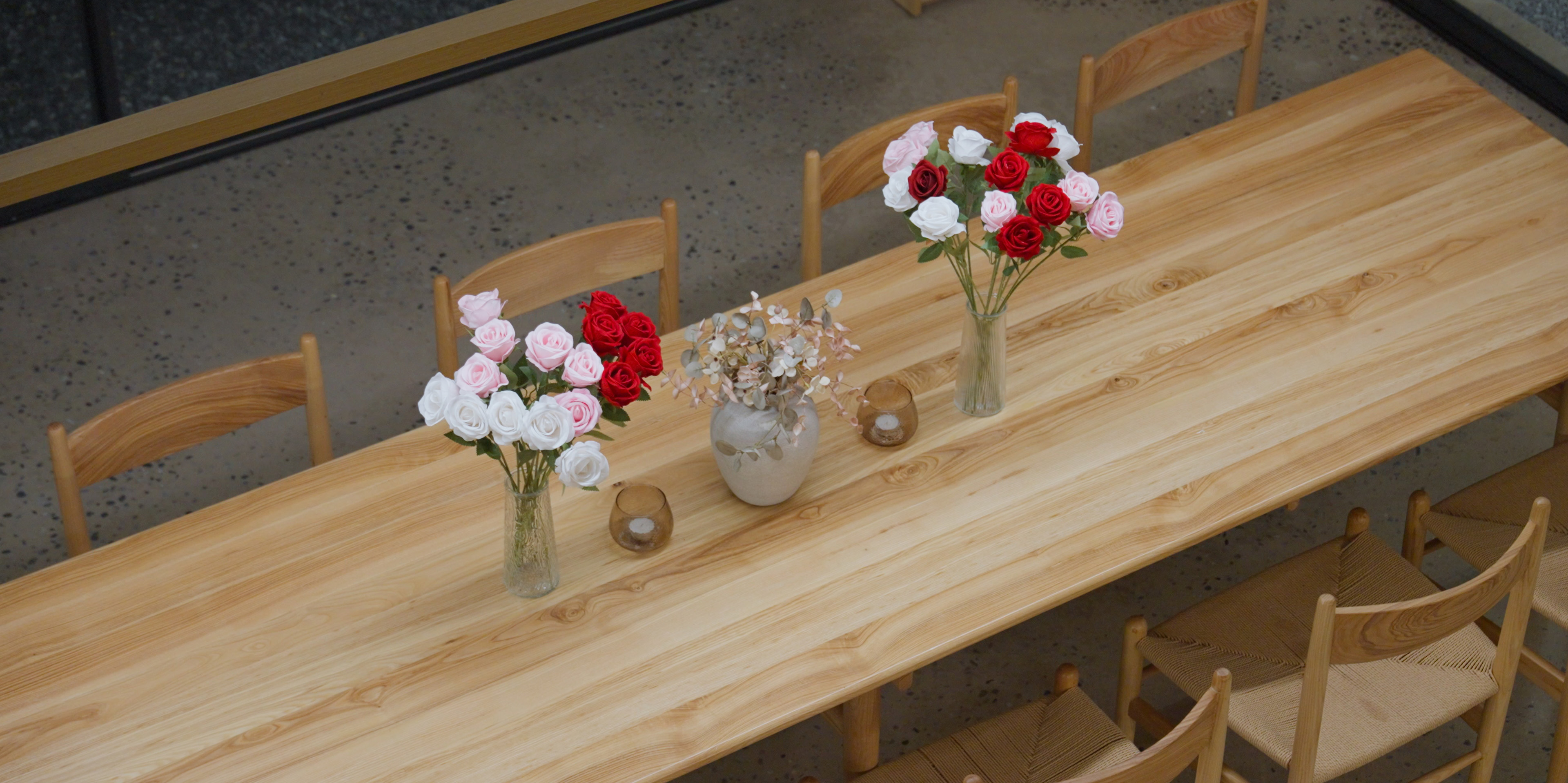
Later, two bouquets appear on a table. They now contain the same colours — red, white and pink — yet their arrangements remain different.
One favours a more orderly and structured arrangement, while the other adopts a freer and more spontaneous composition.
Finally, the two vases, initially placed at a distance from one another, are brought closer together.
Yet they do not merge. Each retains its own composition and identity.
Through this progression, we wanted to suggest that the encounter between two forces can give rise to something new without erasing what makes them different.
Coming closer does not mean becoming one.
Building a World Rather Than Telling a Story Literally
From a filmmaking perspective, we wanted to avoid an overly explanatory narrative.
ROSES relies primarily on images, gestures, compositions and visual correspondences. Rather than giving the characters dialogue or lengthy explanatory scenes, we favoured a cinematic language in which symbols gradually accompany the narrative.
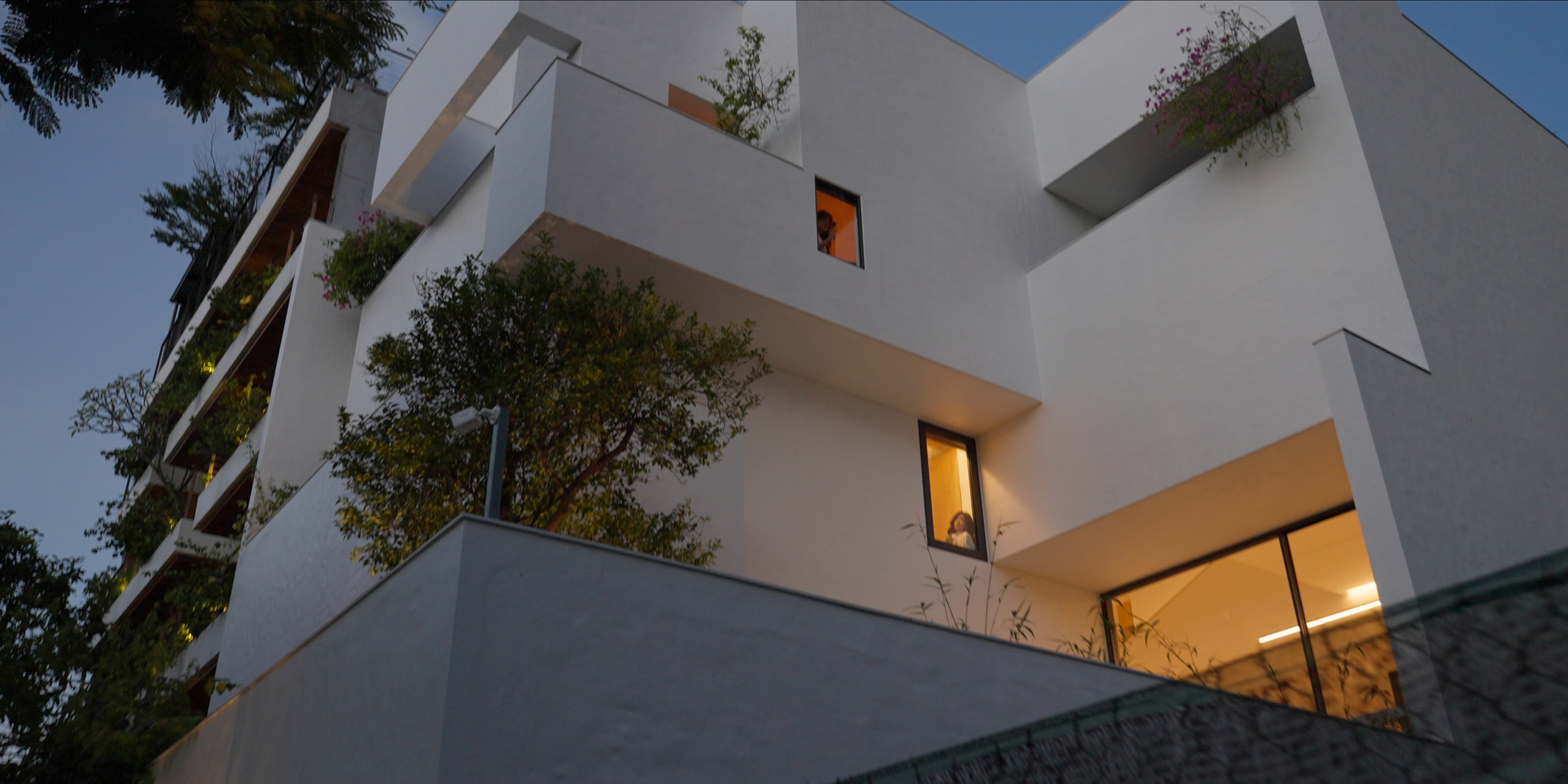
The filming location also contributes to this intention. The architecture, the spaces, the interplay of light and the reflections on the water all become integral elements of the mise-en-scène.
We sought to create a world that feels elegant, slightly nostalgic and cinematic, with a visual sensibility inspired by both fashion imagery and cinema.
The objective was not to make every shot mysterious or intellectually complex. On the contrary, we wanted to preserve a certain simplicity in the imagery so that the film would remain immediately accessible.
An image can be familiar without being devoid of meaning. It all depends on its place within the narrative, how it is constructed and what it is intended to express.
A Balance Between Fashion Film and Symbolic Narrative
ROSES is first and foremost an advertising project for HONG. It therefore had to meet one essential requirement: showcasing the garments and building a desirable world around the brand.
We did not want the concept to overshadow the film's aesthetic dimension. The narrative was meant to enrich the visual experience, not become essential to understanding it.
That is why we sought a balance between an editorial approach, symbolic storytelling and commercial aesthetics.
Viewers can simply appreciate the images, the models, the clothing and the atmosphere. They can also choose to look further and discover the connections between the flowers, the characters and their evolution.
Both readings should be able to coexist.
An Idea That Extends Beyond the Two Characters
Beyond the symbolism of the roses, ROSES is built around a simple conviction: we are rarely made up of a single identity.
We can be both reserved and daring, sensitive and determined, instinctive and reflective. Some dimensions of ourselves may sometimes seem difficult to reconcile, particularly because social conventions encourage us to separate or rank them.
But perhaps we do not always have to choose.
With ROSES, we wanted to explore this possibility: the coexistence of different forces, without judgement, hierarchy or the need to renounce oneself.
Two roses, two expressions of femininity, two identities that grow closer without becoming one.
